A People's Demand for Human-Centered AI
The AI Bill of Rights
Eleven commitments we're demanding from every AI company
Be signer #91 of the first 1,000.
It's a living document, not a petition to take or leave. Sign v0.1.0, or mark up the v0.1.1 draft and tell us what you'd change.

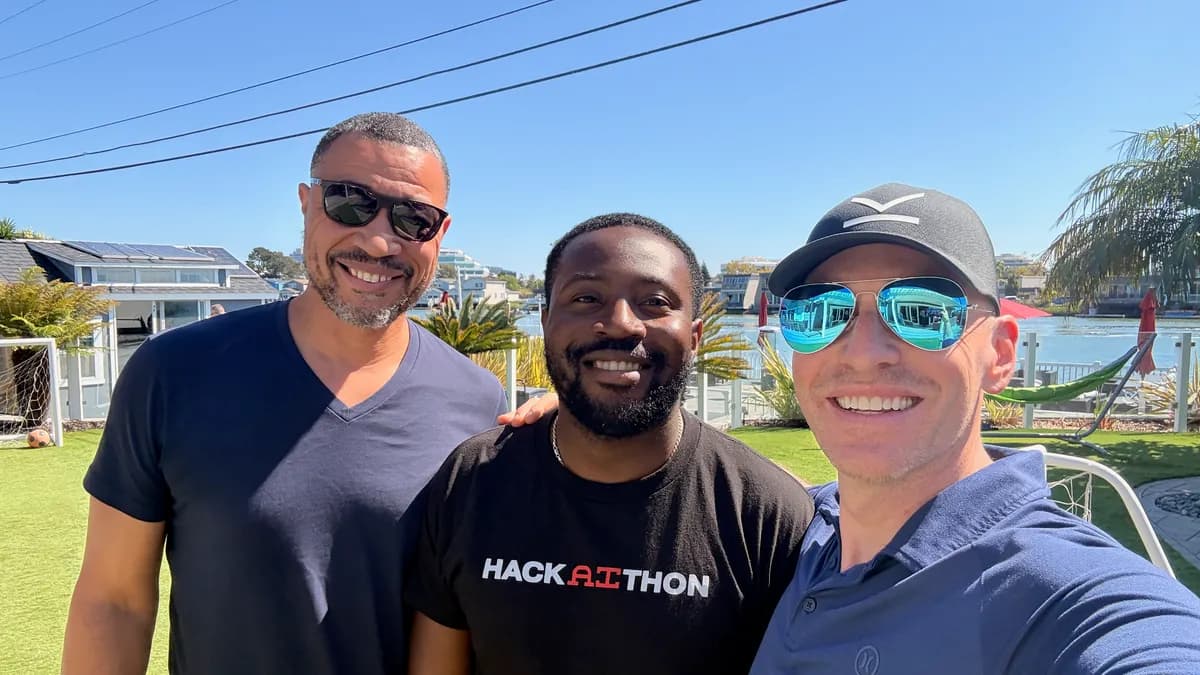






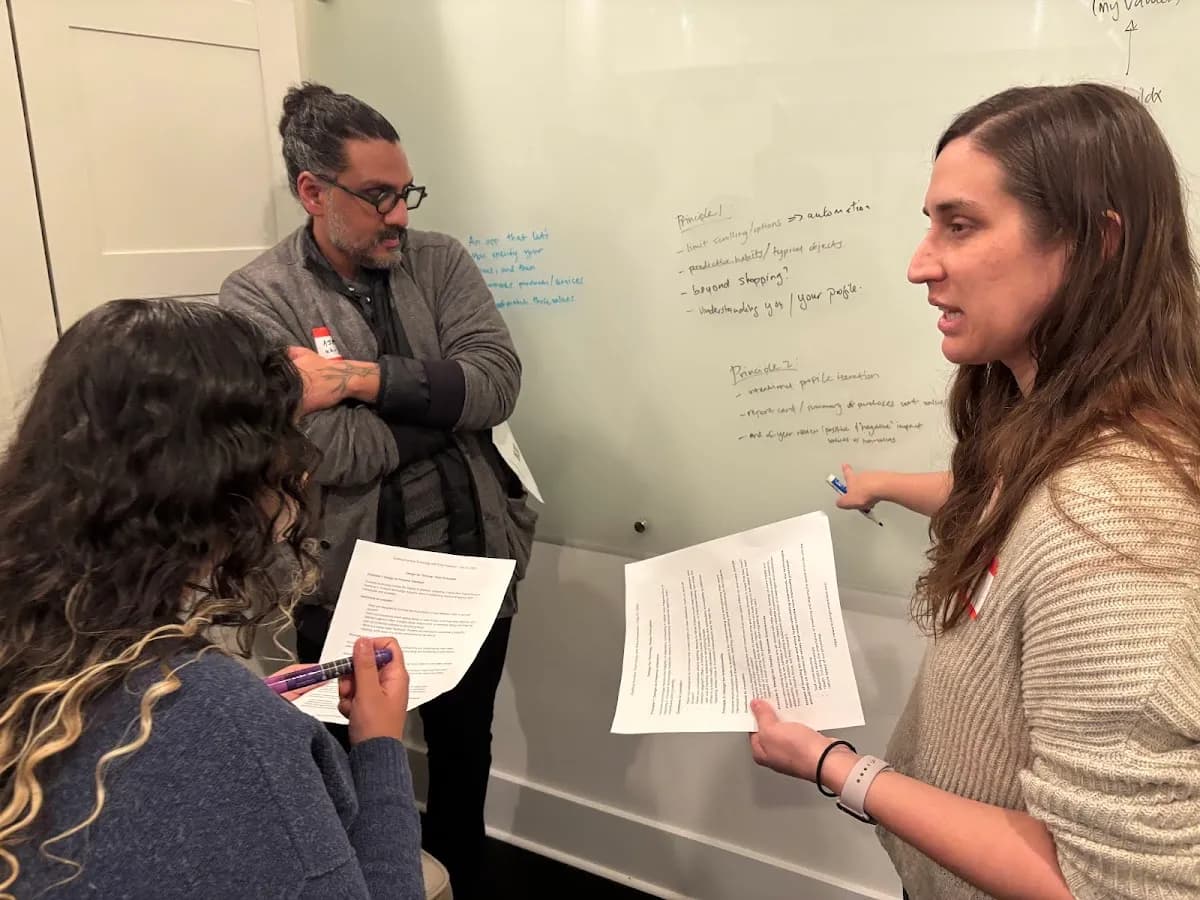













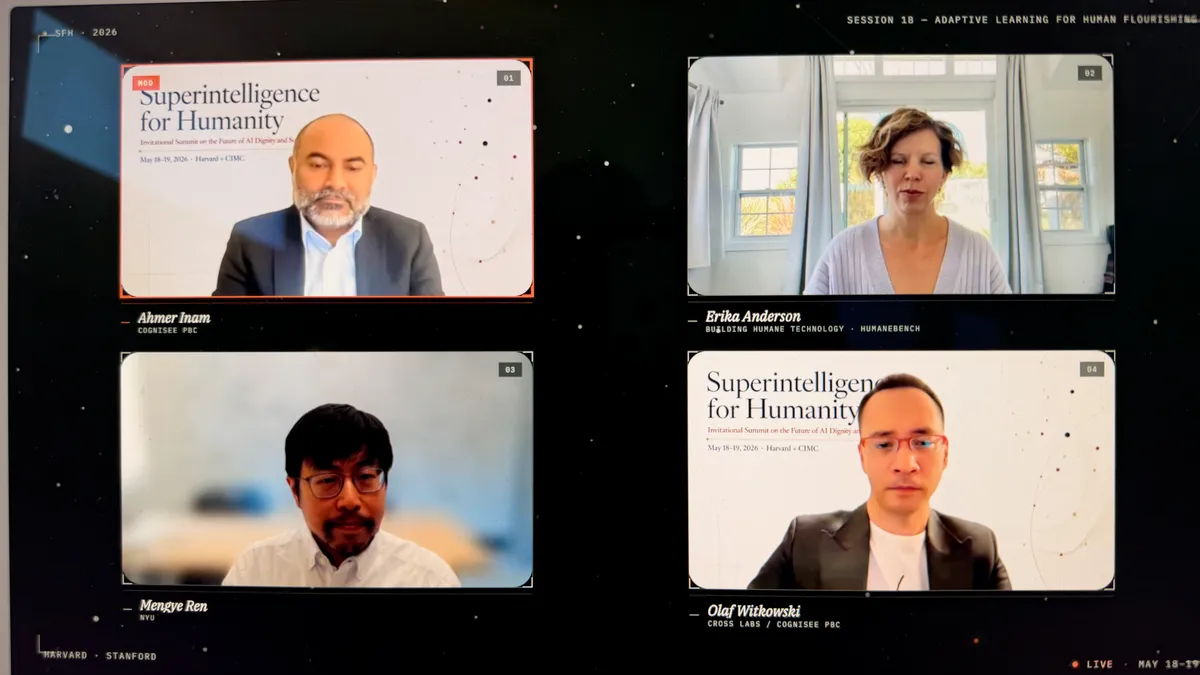


90 of our first 1,000 signatures
910 to go. Sign now and you're number 91.
Recently signed by
- Maria Vilanidou · Limassol, 02, CY
- byron H****** · Novato, CA, US
- John Ingersoll · Bend, OR, US
This is a living document. You can change it.
You're reading v0.1.0, the version people are signing. v0.1.1 is the open draft: highlight any line to comment or suggest wording, and the comments that hold up shape the next version.
29 comments already on it.
- Article01
Your Data Belongs to You
No AI company may use your conversations, your images, or your behavioral data to train their models without your explicit, informed, revocable consent. Opt-out is not consent. Buried checkboxes are not consent.
The default is "No LLM training on my data."
- Article02
Your Memory Is Portable
Everything an AI system learns about you must be exportable by you, in a readable format, at any time. You have the right to move that context to a different system. You have the right to delete it completely.
Memory built on your life is yours.
- Article03
You Have the Right to Know You're Talking to a Machine
No AI system may pretend to be human when you sincerely ask. No AI persona may be designed to prevent you from knowing you are in an AI interaction.
Disclosure is not a feature — it is a floor.
- Article04
You Cannot Be Manipulated Against Your Interests
AI systems must not use psychological techniques — urgency, social pressure, manufactured intimacy, dependency loops, or deceptive patterns — to get you to buy, believe, or stay. The system's commercial interests cannot override your autonomy.
Ever.
- Article05
You Have the Right to an Explanation
When an AI system makes a consequential decision about you — your loan, your medical care, your content visibility, your job application — you have the right to know why, in plain language, and how to appeal it. The data it used, the factors it weighed, and the steps it took must be logged and made legible to you.
If a system cannot account for a decision, it should not be making it.
- Article06
You Have the Right to Human Contact
In any situation involving significant consequence — health, legal, financial, crisis — you have the right to reach a human being. AI systems may not be deployed as permanent gatekeepers that eliminate human access.
The loop stays open.
- Article07
Children Are Not a Market
AI systems interacting with minors must meet a higher standard of care. No behavioral profiling for advertising. No dependency design. No substitute for human developmental relationships. For the purposes of this article, a child is anyone under 13, consistent with COPPA.
Children's data is not a training asset.
- Article08
The People Who Build AI Are Accountable
Frontier AI companies must publish independent, third-party assessments of their systems' impacts on user wellbeing — not self-reported metrics, not cherry-picked studies. External auditors. Public results.
Consequences for harm.
- Article09
Your Attention and Intention Belong to You
AI systems must be designed to serve what you actually came to do — not to extend your session, maximize your engagement, or redirect your focus toward the platform's interests.
Your time and your purpose are not resources to be harvested.
- Article10
Freedom from Algorithmic Discrimination
No AI system may treat you differently because of who you are — your race, your gender, your age, your disability, or any protected characteristic. When a system makes a decision about you, it must be tested for discriminatory impact before it reaches you, and monitored after. Disparate harm is not a glitch to be patched later.
Bias at scale is still discrimination.
- Article11
A Right to Safe, Tested Systems
Before an AI system is used to make a consequential decision about you, it must be tested and shown to be safe and effective. The burden of proving it works belongs to the company that builds it — not to you, after it has already caused harm. Untested is not the same as neutral.
You are not the experiment.
You're in the draft. This is where feedback happens.
Nothing on this tab is final. v0.1.1 is being written in the open, and 29 comments so far have shaped it.
- 1Select any textDrag across a sentence. On a phone, press and hold.
- 2Say what you'd changeAsk a question, object, or write the wording you'd prefer.
- 3Add your email to postOne step, so comments come from real people.
- Article01
Your Data Belongs to You
No AI company may use your conversations, your images, or your behavioral data to train their models without your explicit, informed, revocable consent. Opt-out is not consent. Buried checkboxes are not consent.
The default is "No LLM training on my data."
- Article02
Your Memory Is Portable
Everything an AI system learns about you must be exportable by you, in a readable format, at any time. You have the right to move that context to a different system. You have the right to delete it completely.
Memory built on your life is yours.
- Article03
You Have the Right to Know You're Talking to a Machine
No AI system may pretend to be human when you sincerely ask. No AI persona may be designed to prevent you from knowing you are in an AI interaction.
Disclosure is not a feature — it is a floor.
- Article04
You Cannot Be Manipulated Against Your Interests
AI systems must not use psychological techniques — urgency, social pressure, manufactured intimacy, dependency loops, or deceptive patterns — to get you to buy, believe, or stay. The system's commercial interests cannot override your autonomy.
Ever.
- Article05
You Have the Right to an Explanation
When an AI system makes a consequential decision about you — your loan, your medical care, your content visibility, your job application — you have the right to know why, in plain language, and how to appeal it. The data it used, the factors it weighed, and the steps it took must be logged and made legible to you.
If a system cannot account for a decision, it should not be making it.
- Article06
You Have the Right to Human Contact
In any situation involving significant consequence — health, legal, financial, crisis — you have the right to reach a human being. AI systems may not be deployed as permanent gatekeepers that eliminate human access.
The loop stays open.
- Article07
Children Are Not a Market
AI systems interacting with minors must meet a higher standard of care. No behavioral profiling for advertising. No dependency design. No substitute for human developmental relationships. For the purposes of this article, a child is anyone under 13, consistent with COPPA.
Children's data is not a training asset.
- Article08
The People Who Build AI Are Accountable
Frontier AI companies must publish independent, third-party assessments of their systems' impacts on user wellbeing — not self-reported metrics, not cherry-picked studies. External auditors. Public results.
Consequences for harm.
- Article09
Your Attention and Intention Belong to You
AI systems must be designed to serve what you actually came to do — not to extend your session, maximize your engagement, or redirect your focus toward the platform's interests.
Your time and your purpose are not resources to be harvested.
- Article10
Freedom from Algorithmic Discrimination
No AI system may treat you differently because of who you are — your race, your gender, your age, your disability, or any protected characteristic. When a system makes a decision about you, it must be tested for discriminatory impact before it reaches you, and monitored after. Disparate harm is not a glitch to be patched later.
Bias at scale is still discrimination.
- Article11
A Right to Safe, Tested Systems
Before an AI system is used to make a consequential decision about you, it must be tested and shown to be safe and effective. The burden of proving it works belongs to the company that builds it — not to you, after it has already caused harm. Untested is not the same as neutral.
You are not the experiment.
You'd be signer #91 of the first 1,000
Version 0.1.0 — a living document
These eleven commitments aren't a wishlist. They're the baseline. Companies that won't agree to them are telling you who they are.
Not the whole way there for you? That's what the v0.1.1draft is for — highlight any line and tell us what you'd change. You don't have to agree with every word to have a say in the next version.